Roots & History
The History of Reggae
From Kingston to the World
“Reggae music is a music of the people, by the people, for the people.”
Toots Hibbert
The Roots
From Ska to Rocksteady
The story of reggae begins in the sound systems of 1950s Kingston, Jamaica. As DJs and selectors spun American R&B over towering stacks of speakers, a distinctly Jamaican sound began to crystallise. Mento — the island's folk music — fused with the jump blues and jazz filtering in from New Orleans and Memphis, birthing something new: ska.
Ska exploded in the early 1960s with an infectious, up-tempo bounce — the accent on the offbeat, horns blazing, the whole island dancing. Artists like The Skatalites, Prince Buster, Desmond Dekker, and a young Jimmy Cliff defined the era. Ska was the soundtrack to Jamaican independence in 1962 — a nation finding its voice.
By 1966, the tempo slowed. The summer heat, some say, was too fierce to dance fast. Rocksteady emerged — smoother, deeper, the bassline moving to the front of the mix for the first time. Groups like The Paragons, The Heptones, and Alton Ellis laid the foundation that reggae would build upon. The bass became the heartbeat. The drums found the one-drop. The architecture of reggae was being drawn.
1968 – 1975
The Birth of Reggae
The word “reggae” first appeared on Toots & the Maytals' 1968 single “Do the Reggay” — and a genre had its name. The sound crystallised around the one-drop rhythm: the bass drum landing on the third beat, the snare on the offbeat, creating that unmistakable sway that would move the world.
In the yards of Trenchtown, a young Bob Marley and The Wailers — with Peter Tosh and Bunny Wailer — were forging something transcendent. Their early work fused the rocksteady groove with Rasta consciousness, street poetry, and an emotional depth that set them apart. By 1973, Catch a Fire introduced reggae to a global audience. Burnin' followed, carrying “Get Up, Stand Up” and “I Shot the Sheriff” into the international canon.
But reggae was never one voice. Jimmy Cliff's starring role in The Harder They Come (1972) brought the Jamaican experience to cinema screens worldwide. Burning Spear channelled Marcus Garvey's spirit into deep, hypnotic grooves. Lee “Scratch” Perry pioneered dub — stripping tracks to their bones, drowning them in echo, creating a whole new sonic universe from the mixing desk of his Black Ark studio.
“One good thing about music, when it hits you, you feel no pain.”
Bob Marley
The Spiritual Foundation
Rastafari & Ethiopia
“Look to Africa, where a Black king shall be crowned, for the day of deliverance is at hand.”
Marcus Garvey, c. 1920
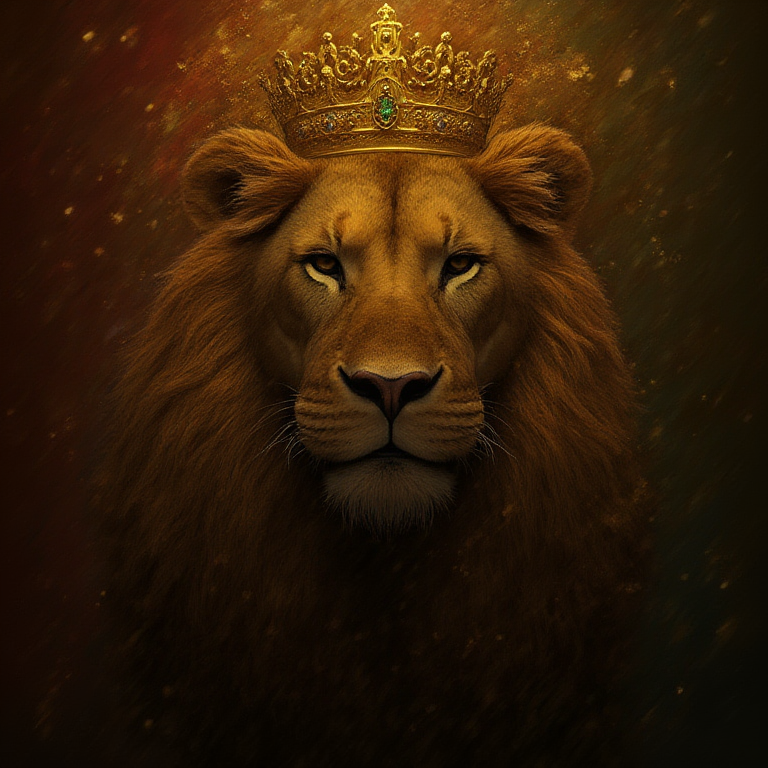
Reggae's consciousness cannot be separated from Rastafari, and Rastafari cannot be understood without Ethiopia. The movement traces its spiritual genesis to 2 November 1930, when Ras Tafari Makonnen was crowned Emperor Haile Selassie I of Ethiopia — taking the titles King of Kings, Lord of Lords, Conquering Lion of the Tribe of Judah. For the followers of Marcus Garvey's Pan-African vision in Jamaica, the prophecy had been fulfilled: a Black king now sat upon an African throne.
Ethiopia held a singular place in the African imagination. It was the only nation on the continent never colonised by a European power (Italy's brief occupation from 1936–1941 was fiercely resisted and never accepted). The Solomonic dynasty claimed an unbroken lineage stretching back to King Solomon and the Queen of Sheba — a heritage recorded in the Kebra Nagast, Ethiopia's national epic. The Ethiopian Orthodox Tewahedo Church, one of the oldest Christian traditions in the world, had preserved its faith for nearly two millennia, independent of Rome and Constantinople.
For Rastafarians, Ethiopia was not merely a country — it was Zion, the promised land, the spiritual home of all African peoples scattered by the transatlantic slave trade. Haile Selassie I was revered as the returned Messiah, the fulfilment of biblical prophecy. His 1966 state visit to Jamaica drew hundreds of thousands to the airport, an event so overwhelming that the rain stopped and the crowds wept. That day — 21 April, now celebrated as Grounation Day — remains one of the most sacred dates in Rastafarian tradition.
The Solomonic Dynasty
The Ethiopian imperial line claimed descent from King Solomon and the Queen of Sheba — 3,000 years of unbroken African monarchy, as recorded in the Kebra Nagast.
Repatriation & Shashamane
Emperor Haile Selassie granted 500 acres at Shashamane, Ethiopia to people of the African diaspora. Rastafarians from Jamaica, the Caribbean, and beyond settled there — returning to Zion.
The Colours of Rasta
Red, gold, and green — the colours of the Ethiopian flag — became the universal symbols of Rastafari and reggae. Red for the blood of martyrs, gold for Africa's wealth, green for the land.
The Ethiopian Orthodox Church's ancient liturgical traditions — its chanting, its kebero drums, its spiritual devotion — resonated deeply with Rastafarian worship. The Nyabinghi drumming tradition, central to Rasta ceremonies, draws its name from an East African spiritual movement. The Ethiopian cross, the Lion of Judah, the Ark of the Covenant said to rest in Axum — these symbols saturated reggae's visual and lyrical language.
When Bob Marley sang of Zion, when Burning Spear chanted for Marcus Garvey, when Peter Tosh demanded equal rights and justice — they were channelling a spiritual tradition rooted in Ethiopia's ancient heritage. Reggae became the vehicle through which Rastafari's message of African redemption, spiritual liberation, and the divinity of Haile Selassie reached the entire world. The music and the faith are inseparable — two expressions of one consciousness.
1975 – 1985
The Golden Era
The mid-1970s saw reggae reach its creative and commercial zenith. Bob Marley & The Wailers released a staggering run of albums — Natty Dread, Rastaman Vibration, Exodus, Kaya — each one deepening the music's global footprint. Exodus (1977) was later named the album of the century by Time magazine — a roots reggae record, born of exile and fire, standing as the definitive statement of the genre.
Peter Tosh's solo career blazed with righteous fury — Equal Rights (1977) and Bush Doctor (1978) refused to soften the message. Burning Spear's Marcus Garvey (1975) became one of the most revered roots albums ever recorded. Culture delivered Two Sevens Clash (1977), a prophetic, apocalyptic masterpiece. The Abyssinians, Israel Vibration, Black Uhuru, Steel Pulse — the field was deep and the music was righteous.
Marley's passing on 11 May 1981 sent shockwaves across the world. He received a state funeral in Jamaica — a Rasta prophet laid to rest with both Ethiopian Orthodox rites and the honour of a nation. He was 36 years old. His music had already become immortal.
“Get up, stand up. Stand up for your rights.”
Bob Marley & Peter Tosh
Worldwide
The Global Spread
Reggae's message was universal, and so was its reach. By the late 1970s, the music had taken root across the globe. In the UK, Steel Pulse, Aswad, and UB40 built a thriving British reggae scene, fusing roots consciousness with the lived experience of the Caribbean diaspora. In West Africa, Alpha Blondy (Côte d'Ivoire) and Lucky Dube (South Africa) carried the torch, proving that reggae was African music returned to African soil.
In Aotearoa New Zealand, Herbs and later Fat Freddy's Drop blended Pacific rhythms with reggae's groove. In Japan, Germany, Brazil, and across the Pacific Islands, reggae cultures flourished — each adapting the riddim to local contexts while honouring the Jamaican roots. UNESCO recognised reggae's significance in 2018, inscribing it on the Representative List of the Intangible Cultural Heritage of Humanity — a global acknowledgement that reggae is more than music. It is a movement.
Reggae's DNA runs through punk, hip-hop, electronic music, and modern pop. The Clash, The Police, and The Specials brought ska and reggae rhythms into new wave. Hip-hop pioneers like DJ Kool Herc — himself a Jamaican immigrant — imported sound system culture to the Bronx, laying the foundation for an entirely new genre. From dub to dubstep, from dancehall to drum & bass, reggae's sonic innovations continue to ripple through every corner of modern music.
Adelaide, South Australia
Reggae in Adelaide
Adelaide's reggae scene has always been intimate but passionate — a tight community of musicians, sound engineers, and fans who keep the flame burning on the southern edge of the world. From backyard sessions to sold-out venues, the City of Churches has always had room for the one-drop.
Exodus Reggae Adelaide, presented by Selah Productions, stands at the heart of this scene. An eight-piece roots and culture band, Exodus brings the full weight of conscious reggae to stages across South Australia — from The Jade in the CBD to BrewBoys Brewery, Brighton Sports Club, and beyond. Multiple sold-out shows, including the legendary Bob Marley SunSplash Birthday Bash, have proven that roots reggae is alive and thriving in Adelaide.
The band carries the tradition forward with intention: Bob Marley, Peter Tosh, Burning Spear, and the entire lineage of conscious roots music live in every performance. Deep bass, tight horns, conscious lyrics — the sound is authentic, the mission is clear. From Trenchtown to Adelaide, the riddim continues.